One of the first ideas that we developed was a model of a falling ball in one-dimension. We obtained the following differential equation that described the motion of the ball:
This nonlinear second-order differential equation is the equation of motion for the ball. It is nonlinear because the term appears in the equation.
Can you think of an anti-derivative for this equation? Probably not.
We can change the equation to a system of first-order differential equations by defining a new variable , so that the equation becomes:
But the equation for is still nonlinear. Clearly we need a different approach to solving this problem. In fact, we need a more generic approach to investigate equations of motion for systems like this. Most models of physical systems cannot be solved in closed analytical form. But, this approach to writing th order differential equations as a system of first-order differential equations is a powerful tool in computational physics.
Scientific Computing
In this course, we will explore a broad class of problems using plotting and numerical integration as principal tools. These techniques and algorithms, along with the software we use, fall within the broader field of scientific computing. Scientific computing focuses on developing mathematical models and numerical methods to solve problems in the natural sciences and engineering.
For historical context, the Timeline of the Development of Scientific Computing provides an excellent overview. The roots of this field trace back to significant advancements long before modern electronic devices. Much of the foundational mathematics, such as Euler’s Method for solving differential equations, was developed in the 18th century by Leonhard Euler. Implementing these algorithms on computers was a natural progression in scientific problem-solving.
History of Computing
The history of scientific computing is deeply intertwined with the evolution of computing itself, a fascinating and complex narrative encompassing technical, social, political, and economic perspectives. Contributions to computing originated worldwide, starting with tools like the abacus in ancient China. Mechanical innovations such as Pascal’s adding machine and Babbage’s Analytical Engine marked significant milestones leading toward the modern computer.
To get an introductory overview, the video below from Futurology is a helpful resource, but it is by no means comprehensive or critical.
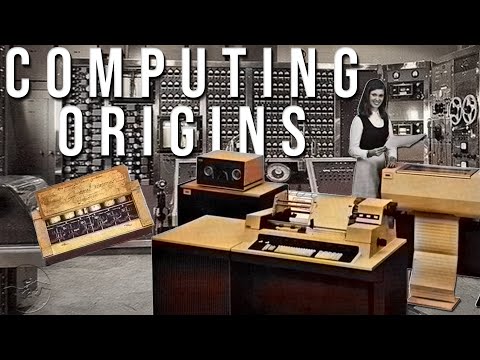
Source: https://
Additional Resources for Exploration
For deeper dives into these ideas, consider the following materials:
| Resource | Description |
|---|---|
George Dyson’s Turing’s Cathedral 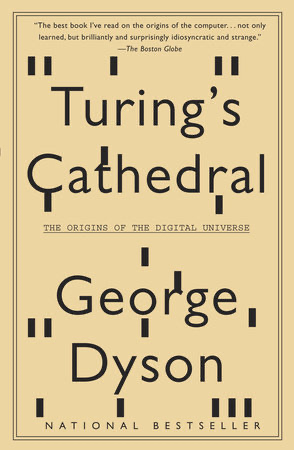 | Chronicles the origins of the modern computer, focusing on John von Neumann and his team at Princeton in the 1940s. This book delves into the intersection of mathematics, physics, and computation, highlighting the development of the first stored-program computers and their role in shaping the digital age. |
James Gleick’s The Information 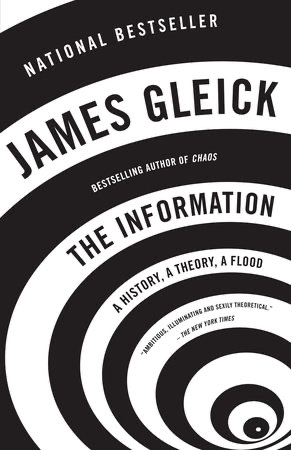 | Explores the transformative impact of information theory on science, technology, and culture. From the invention of writing to the digital age, Gleick highlights key figures like Michigander Claude Shannon, who revolutionized communication with his groundbreaking mathematical theory of information. |
Steven Levy’s Hackers 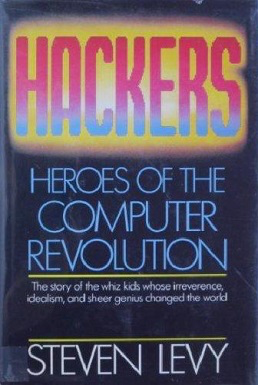 | Chronicles the rise of hacker culture, from early computer pioneers to the creators of the personal computer revolution. Levy examines the “hacker ethic,” emphasizing creativity, open access, and the joy of problem-solving, which shaped the tools and technologies we use today. |