The definition of chemistry—the study of the interactions of matter with other matter and with energy—uses some terms that should also be defined. We start the study of chemistry by defining some basic terms.
Matter (Anything that has mass and takes up space.) is anything that has mass and takes up space. A book is matter, a computer is matter, food is matter, and dirt in the ground is matter. Sometimes matter may be difficult to identify. For example, air is matter, but because it is so thin compared to other matter (e.g., a book, a computer, food, and dirt), we sometimes forget that air has mass and takes up space. Things that are not matter include thoughts, ideas, emotions, and hopes.
Solution to Exercise 1 #
A hot dog has mass and takes up space, so it is matter.
Love is an emotion, and emotions are not matter.
A tree has mass and takes up space, so it is matter.
Solution to Exercise 2 #
The moon is matter.
The invention itself may be matter, but the idea for it is not.
To understand matter and how it changes, we need to be able to describe matter. There are two basic ways to describe matter: physical properties and chemical properties. Physical properties (A characteristic that describes matter as it exists.) are characteristics that describe matter as it exists. Some of many physical characteristics of matter are shape, color, size, and temperature. An important physical property is the phase (or state) of matter. The three fundamental phases of matter are solid, liquid, and gas (see Figure 1.1 "The Phases of Matter").
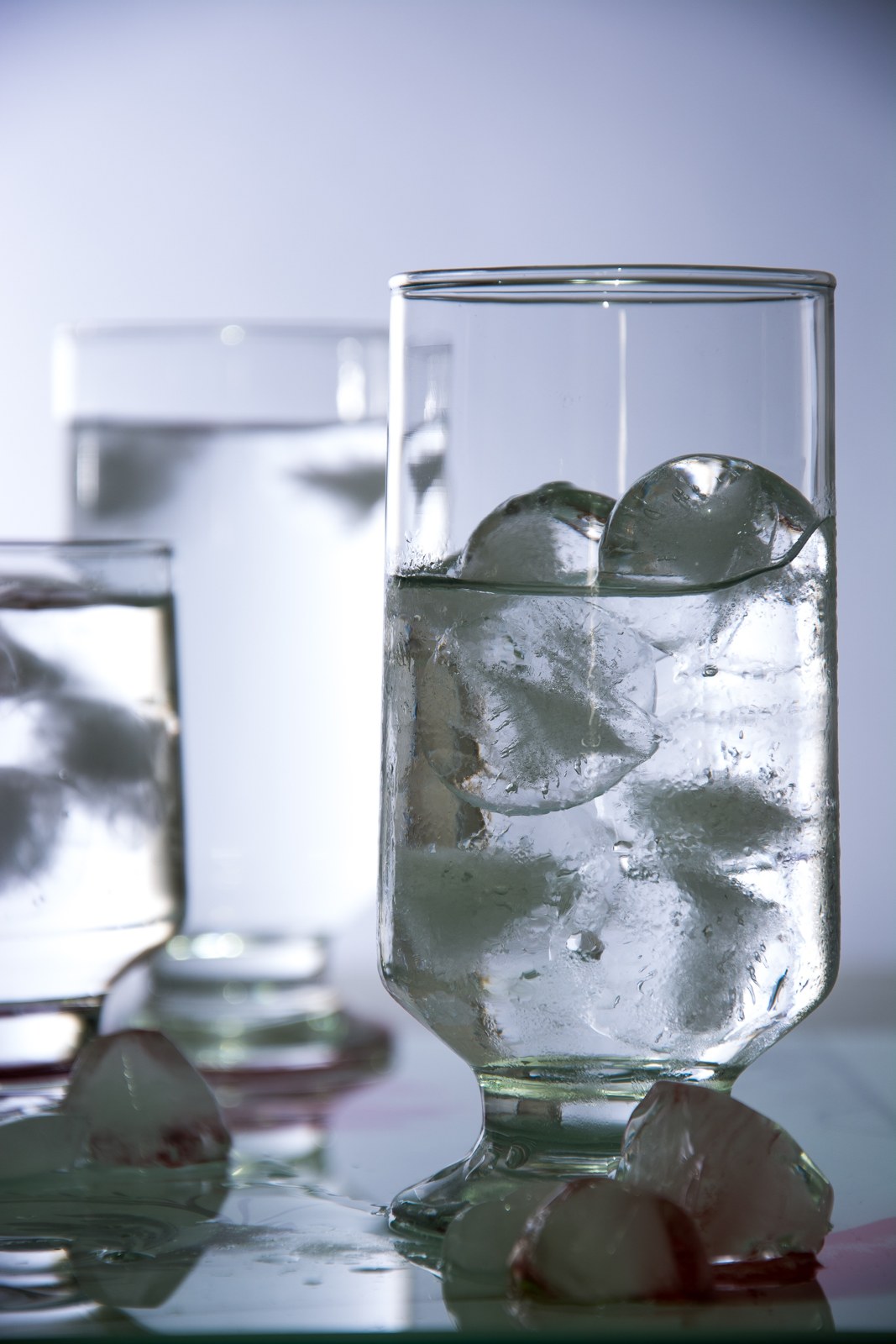
(a)Ice cubes floating in liquid water in drinking glasses.
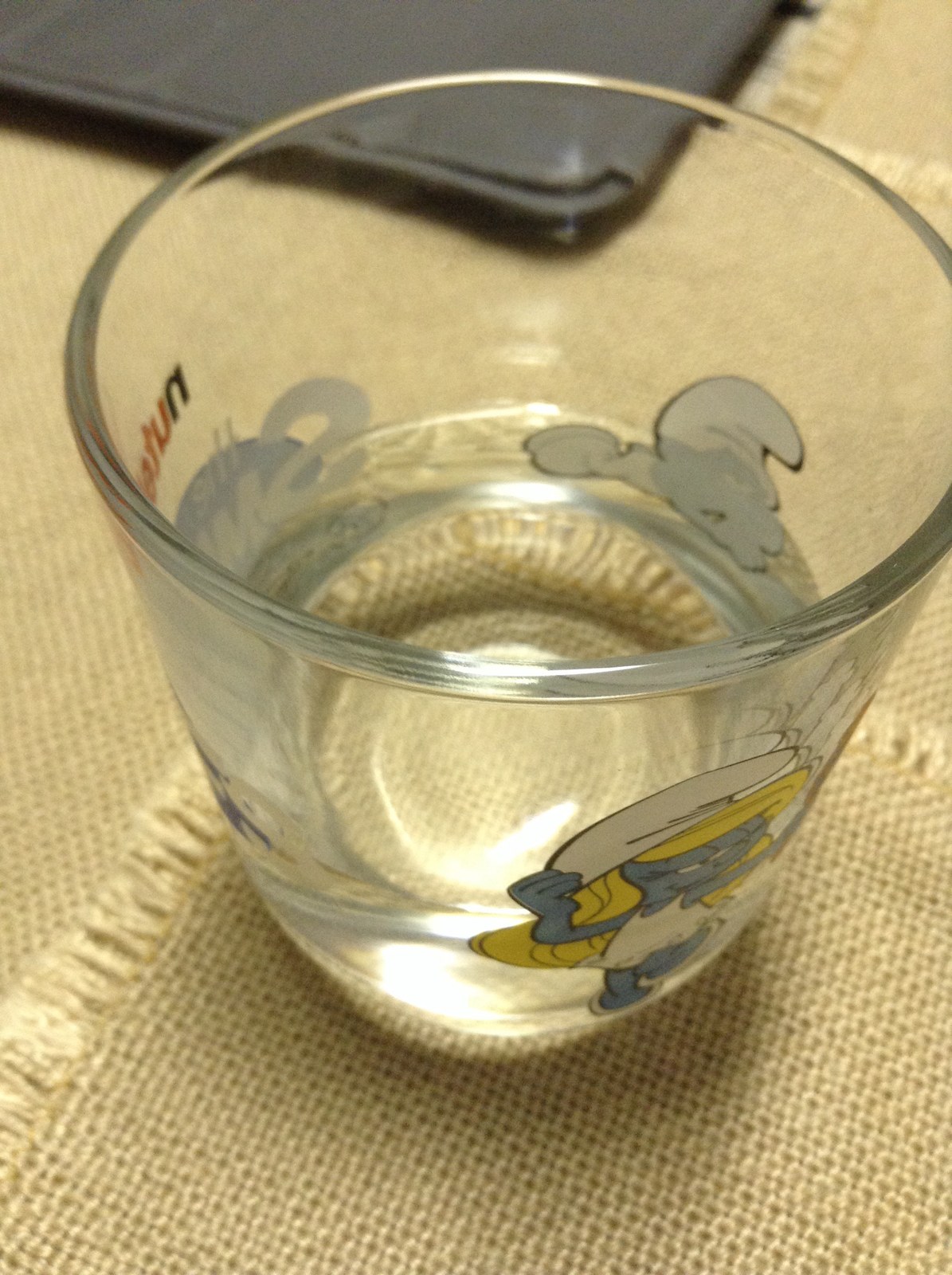
(b)A glass containing liquid water.

(c)A kettle emitting a visible cloud of condensed water droplets.
Figure 1.1:The Phases of Matter. Ice and liquid water in glasses, a glass of water, and a steaming kettle illustrate the solid, liquid, and gas phases of water. Water vapor itself is invisible; the visible mist near a kettle consists of tiny liquid droplets.
Credits: Ice cubes on water — Cleiton Andrade from Alfenas, Brasil, CC0; Glass of water — deavmi, CC BY-SA 4.0; Steaming Kettle - Boston, MA — Daderot, CC0. Images resized for the web.
Chemical properties (A characteristic that describes how matter changes form in the presence of other matter.) are characteristics of matter that describe how matter changes form in the presence of other matter. Does a sample of matter burn? Burning is a chemical property. Does it behave violently when put in water? This reaction is a chemical property as well (Figure 1.2 "Chemical Properties"). In the following chapters, we will see how descriptions of physical and chemical properties are important aspects of chemistry.
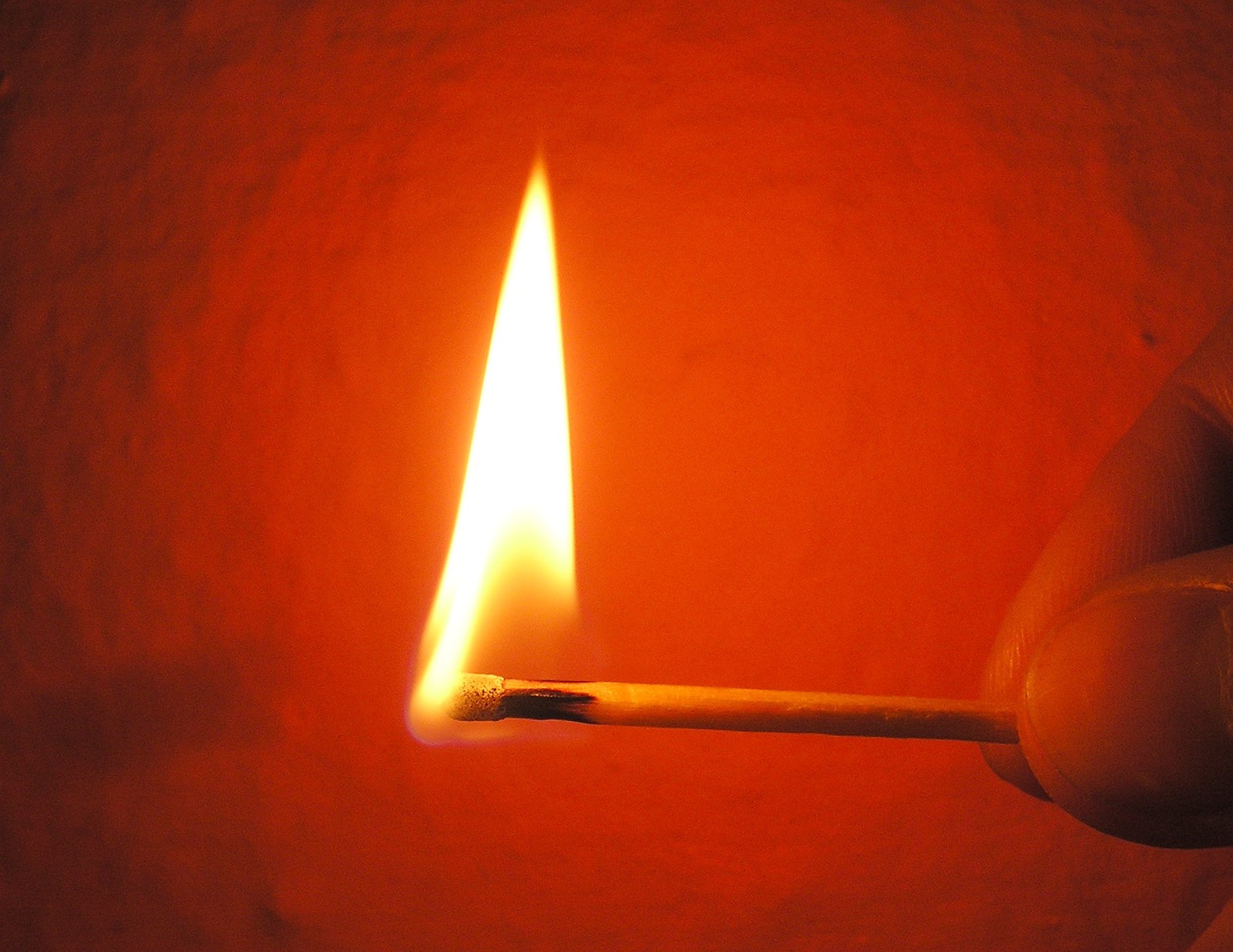
Figure 1.2:Chemical Properties. A burning match demonstrates a chemical property: the match material reacts with oxygen to form new substances.
Credits: Burning matchstick 2010 — Maja Dumat from Deutschland (Germany), CC BY 2.0. Images resized for the web.
If matter always stayed the same, chemistry would be rather boring. Fortunately, a major part of chemistry involves change. A physical change (A change that occurs when a sample of matter changes one or more of its physical properties.) occurs when a sample of matter changes one or more of its physical properties. For example, a solid may melt (Figure 1.3 "Physical Changes"), or alcohol in a thermometer may change volume as the temperature changes. A physical change does not affect the chemical composition of matter.
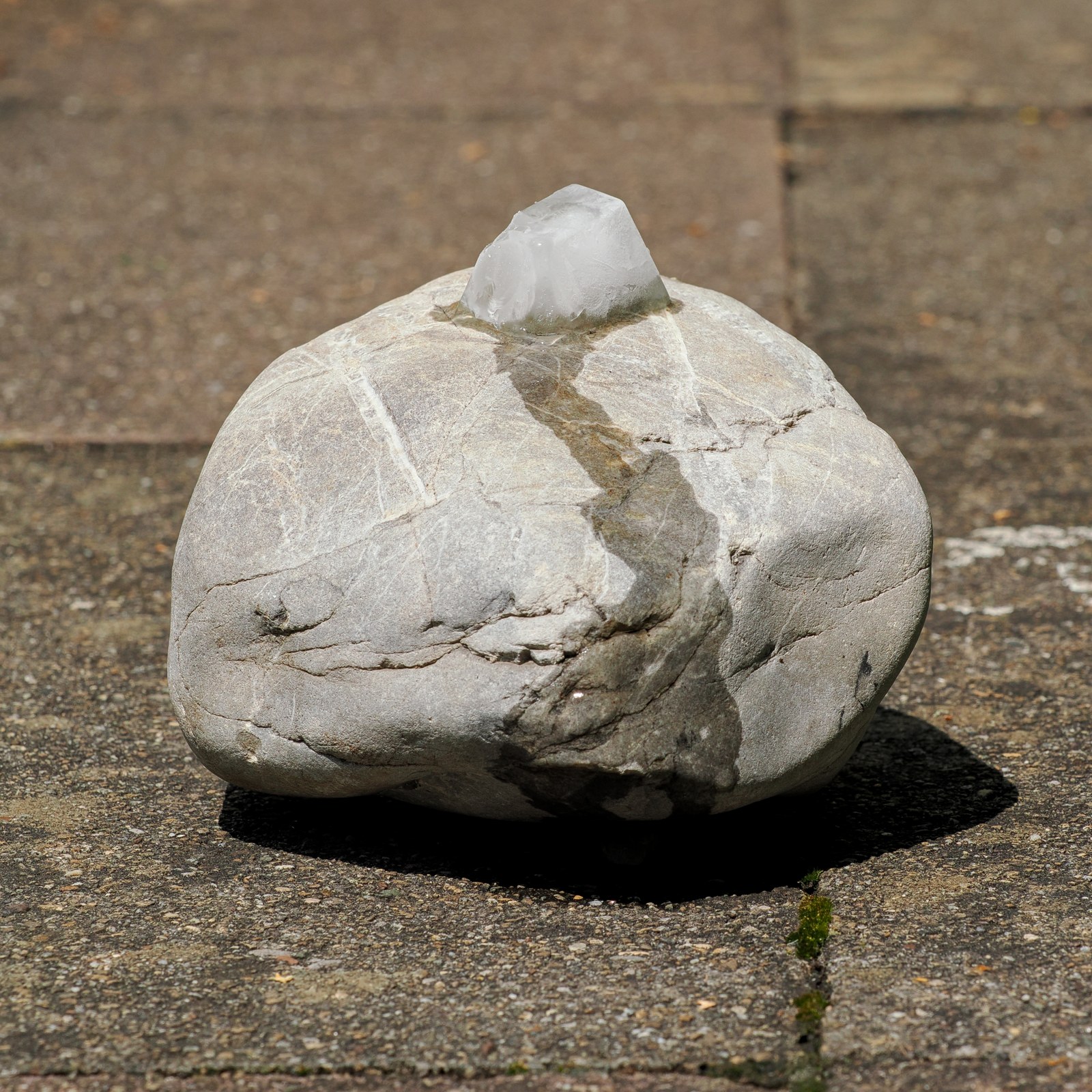
Figure 1.3:Physical Changes. An ice cube melts on a sunlit stone. Melting changes water from a solid to a liquid without changing its chemical composition.
Credits: Eiswürfel auf Stein — ThoBel-0043, CC BY 4.0. Images resized for the web.
A chemical change (The process of demonstrating a chemical property.) is the process of demonstrating a chemical property, such as the burning match in Figure 1.2 "Chemical Properties". As the matter in the match burns, its chemical composition changes, and new forms of matter with new physical properties are created. Note that chemical changes are frequently accompanied by physical changes, as the new matter will likely have different physical properties from the original matter.
Solution to Exercise 3 #
Because the water is going from a gas phase to a solid phase, this is a physical change.
Your long hair is being shortened. This is a physical change.
Because of the oven’s temperature, chemical changes are occurring in the bread dough to make fresh bread. These are chemical changes. (In fact, a lot of cooking involves chemical changes.)
Solution to Exercise 4 #
chemical change
physical change
A sample of matter that has the same physical and chemical properties throughout is called a substance (Matter that has the same physical and chemical properties throughout.). Sometimes the phrase pure substance is used, but the word pure isn’t needed. The definition of the term substance is an example of how chemistry has a specific definition for a word that is used in everyday language with a different, vaguer definition. Here, we will use the term substance with its strict chemical definition.
Chemistry recognizes two different types of substances: elements and compounds. An element (A substance that cannot be broken down into simpler chemical substances by ordinary chemical means.) is the simplest type of chemical substance; it cannot be broken down into simpler chemical substances by ordinary chemical means. There are 118 recognized elements, of which 80 have at least one isotope with no observed radioactive decay. (The other elements are radioactive, a condition we will consider in Chapter 15 "Nuclear Chemistry".) Each element has its own unique set of physical and chemical properties. Examples of elements include iron, carbon, and gold.
A compound (A combination of more than one element.) is a combination of more than one element. The physical and chemical properties of a compound are different from the physical and chemical properties of its constituent elements; that is, it behaves as a completely different substance. Millions of compounds are known, and more are being discovered and synthesized. Examples of compounds include water, penicillin, and sodium chloride (the chemical name for common table salt).
Elements and compounds are not the only ways in which matter can be present. We frequently encounter objects that are physical combinations of more than one element or compound. Physical combinations of more than one substance are called mixtures (A physical combination of more than one substance.). There are two types of mixtures. A heterogeneous mixture (A mixture composed of two or more substances.) is a mixture composed of two or more substances. It is easy to tell, sometimes by the naked eye, that more than one substance is present. A homogeneous mixture (A combination of two or more substances that is so intimately mixed that the mixture behaves as a single substance.) is a combination of two or more substances that is so intimately mixed that the mixture behaves as a single substance. Another word for a homogeneous mixture is solution (Another name for a homogeneous mixture.). Thus, a combination of salt and steel wool is a heterogeneous mixture because it is easy to see which particles of the matter are salt crystals and which are steel wool. On the other hand, if you take salt crystals and dissolve them in water, it is very difficult to tell that you have more than one substance present just by looking—even if you use a powerful microscope. The salt dissolved in water is a homogeneous mixture, or a solution (Figure 1.4 "Types of Mixtures").
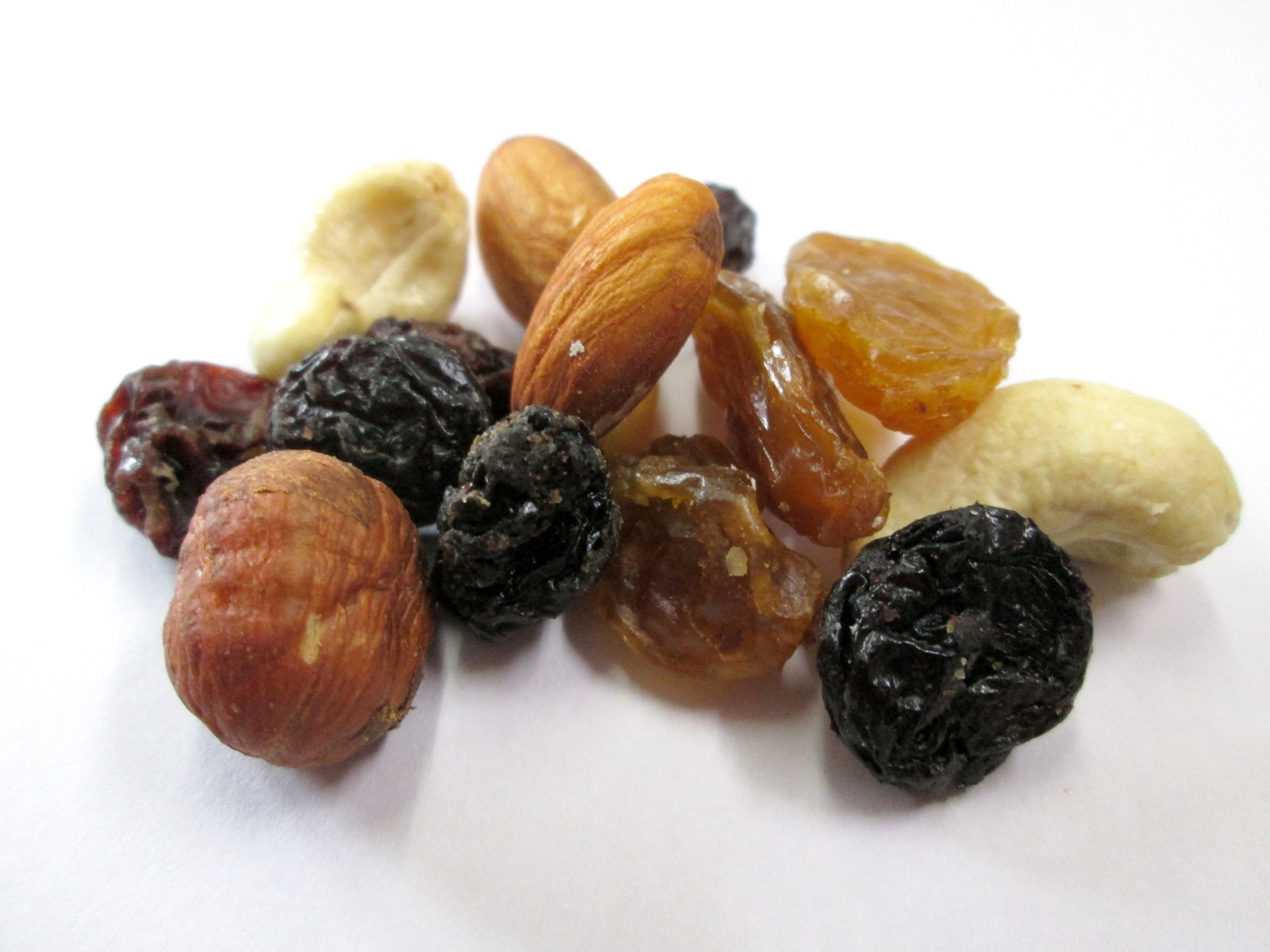
(d)A mixture of nuts and dried fruit with visibly different components.
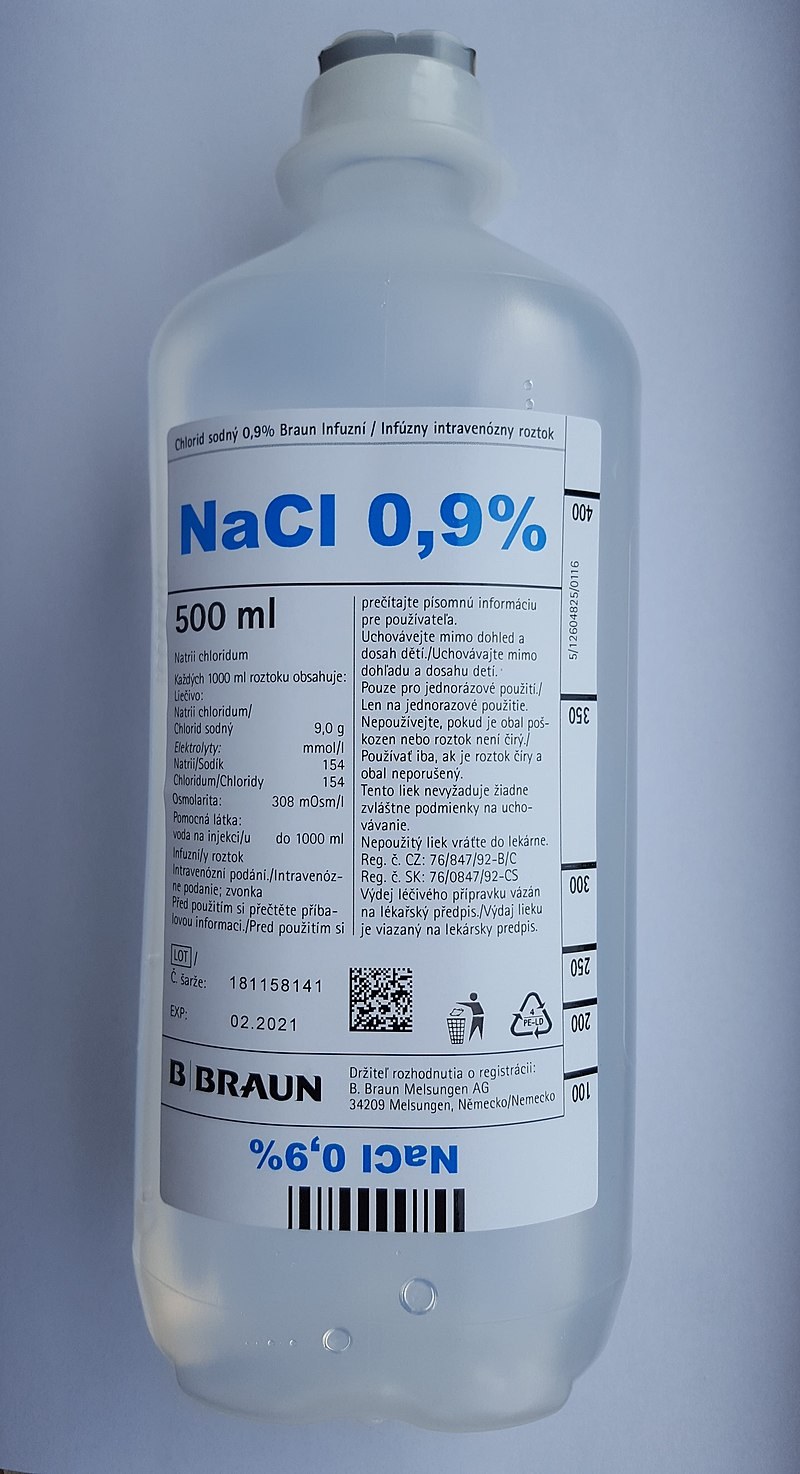
(e)A bottle labeled NaCl 0.9 percent containing a clear saline solution.
Figure 1.4:Types of Mixtures. The nuts and dried fruit in trail mix remain visibly distinct, making it a heterogeneous mixture. In the saline solution shown below, sodium chloride is dissolved uniformly in water. Its dissolved ions cannot be distinguished by looking at the liquid.
Credits: Studentenfutter 01 — Thogru, CC BY-SA 3.0; Saline solution — Pythones, CC BY-SA 4.0. Images resized for the web.
Solution to Exercise 5 #
Because carbon dioxide is dissolved in water, we can infer from the behavior of salt crystals dissolved in water that carbon dioxide dissolved in water is (also) a homogeneous mixture.
Assuming that the iron and sulfur are simply mixed together, it should be easy to see what is iron and what is sulfur, so this is a heterogeneous mixture.
Solution to Exercise 6 #
heterogeneous mixture
homogeneous mixture
There are other descriptors that we can use to describe matter, especially elements. We can usually divide elements into metals and nonmetals, and each set shares certain (but not always all) properties. A metal (An element that conducts electricity and heat well and is shiny, silvery, solid, ductile, and malleable.) is an element that is solid at room temperature (although mercury is a well-known exception), is shiny and silvery, conducts electricity and heat well, can be pounded into thin sheets (a property called malleability), and can be drawn into thin wires (a property called ductility). A nonmetal (An element that exists in various colors and phases, is brittle, and does not conduct electricity or heat well.) is an element that is brittle when solid, does not conduct electricity or heat very well, and cannot be made into thin sheets or wires (Figure 1.5 "Semimetals"). Nonmetals also exist in a variety of phases and colors at room temperature. Some elements have properties of both metals and nonmetals and are called semimetals (or metalloids) (An element that has properties of both metals and nonmetals.). We will see later how these descriptions can be assigned rather easily to various elements.
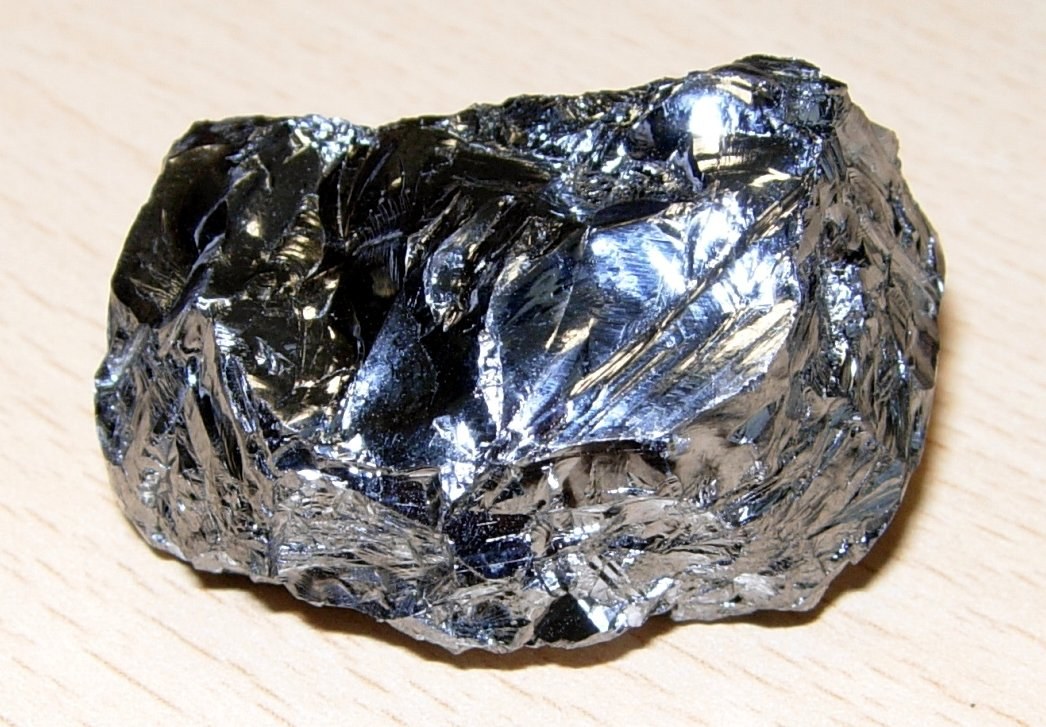
Figure 1.5:Semimetals. Silicon is a metalloid: it has a metallic luster but is brittle, and its electrical conductivity is intermediate between that of typical metals and nonmetals.
Credits: SiliconCroda — Enricoros at English Wikipedia, Public domain. Images resized for the web.
Figure 1.6 "Describing Matter" is a flowchart of the relationships among the different ways of describing matter.
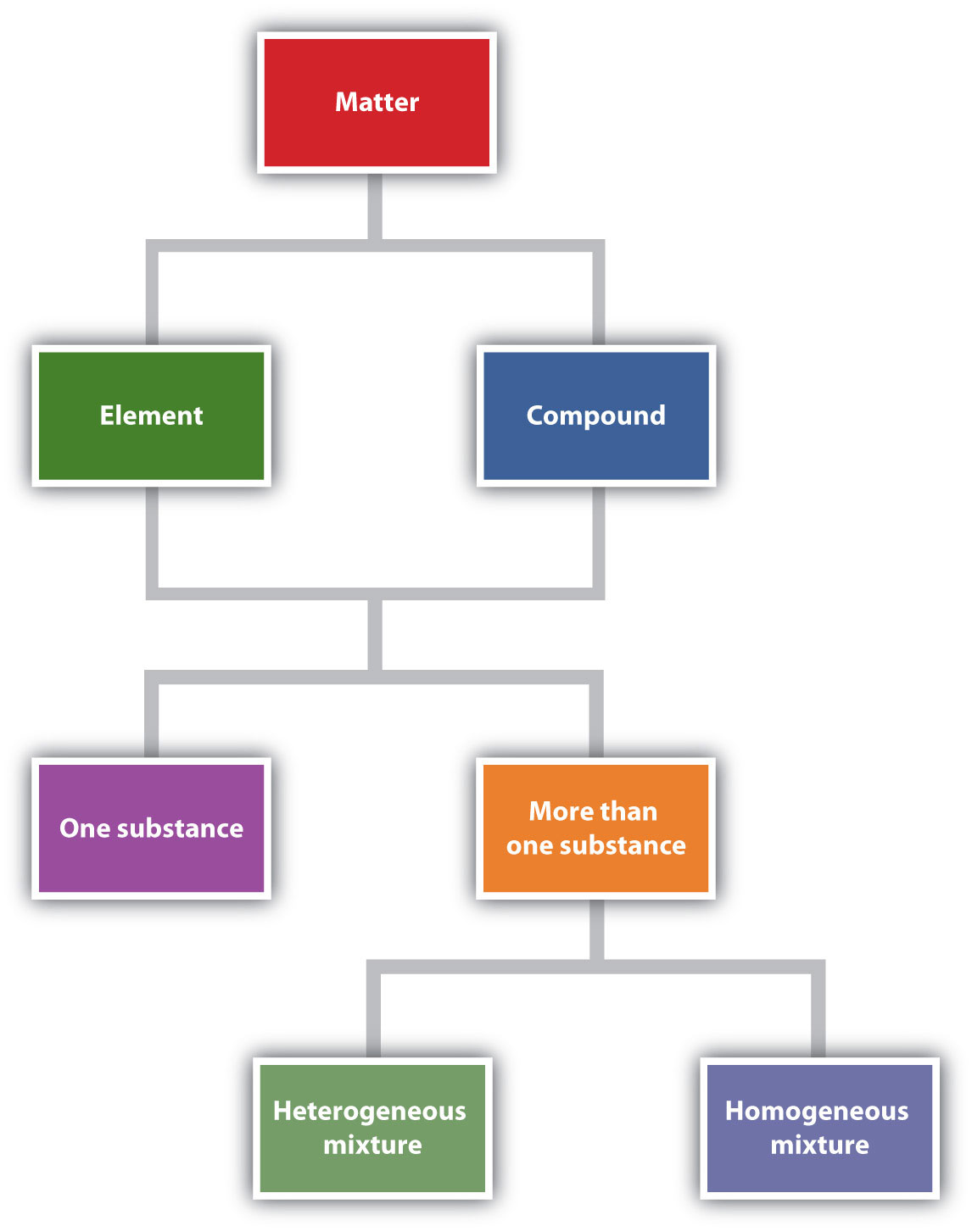
Figure 1:Describing Matter. This flowchart shows how matter can be described.
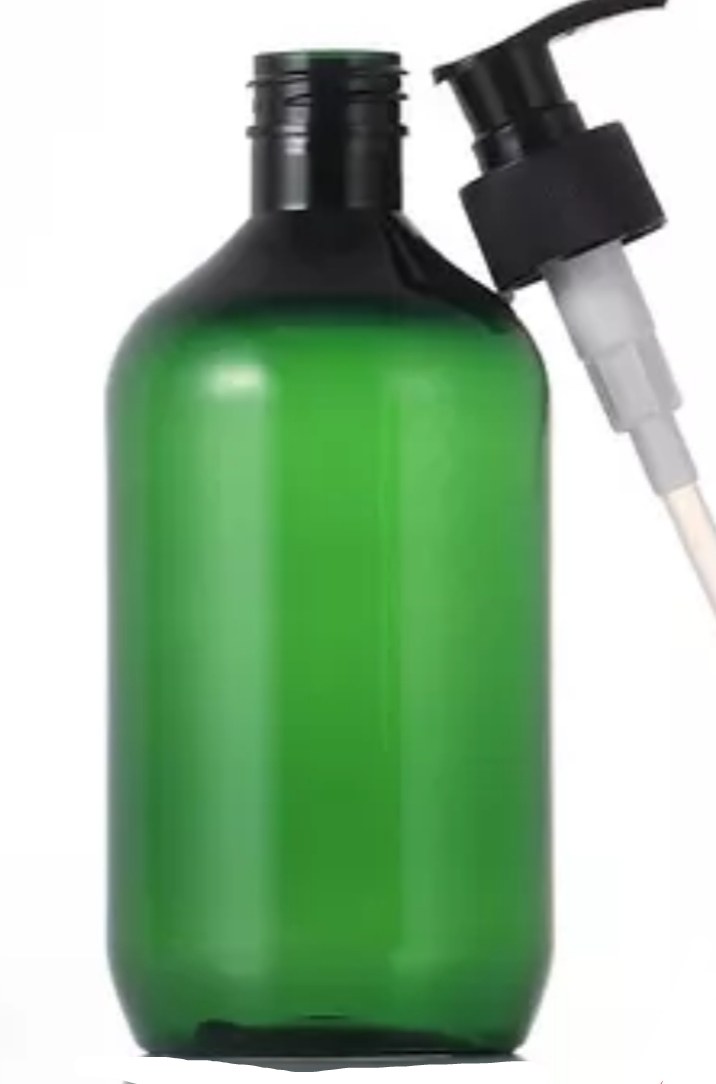
(a)A green shampoo bottle with a pump dispenser.

(b)A cooked breakfast including eggs, beans, toast, and sausages.

(c)Cars queued on a highway.
Figure 1.7:Chemistry in Real Life. Hygiene products, cooked food, and motor vehicles illustrate chemistry in everyday life. Cleaning, cooking, and fuel combustion involve the properties and transformations of matter.
Credits: Green shampoo bottle — Mezoneni, CC BY-SA 4.0; English breakfast from the Blue Lion Pub — RandomKatze, CC0; Malaysia Federal Highway Traffic Jam — Countryball mys123, CC BY 4.0. Images resized for the web.
Exercises
Solution to Exercise 7 #
a. matter b. not matter c. not matter d. matter e. matter
Solution to Exercise 9 #
a. physical property b. chemical property c. physical property
Solution to Exercise 11 #
a. physical change b. chemical change c. physical change
Solution to Exercise 13 #
An element is a fundamental chemical part of a substance; there are 118 recognized elements. A compound is a combination of elements that acts as a different substance; millions of compounds are known.
Solution to Exercise 15 #
a. heterogeneous b. homogeneous c. heterogeneous
Solution to Exercise 17 #
Choice b is a solution.
Solution to Exercise 19 #
Iron is a metal because it is solid, is shiny, and conducts electricity and heat well.
Solution to Exercise 21 #
Metals are typically shiny, conduct electricity and heat well, and are malleable and ductile; nonmetals are a variety of colors and phases, are brittle in the solid phase, and do not conduct heat or electricity well.
Solution to Exercise 23 #
Carbon behaves as a metal because it conducts heat and electricity well. It is a nonmetal because it is black and brittle and cannot be made into sheets or wires.